The great hide occupation
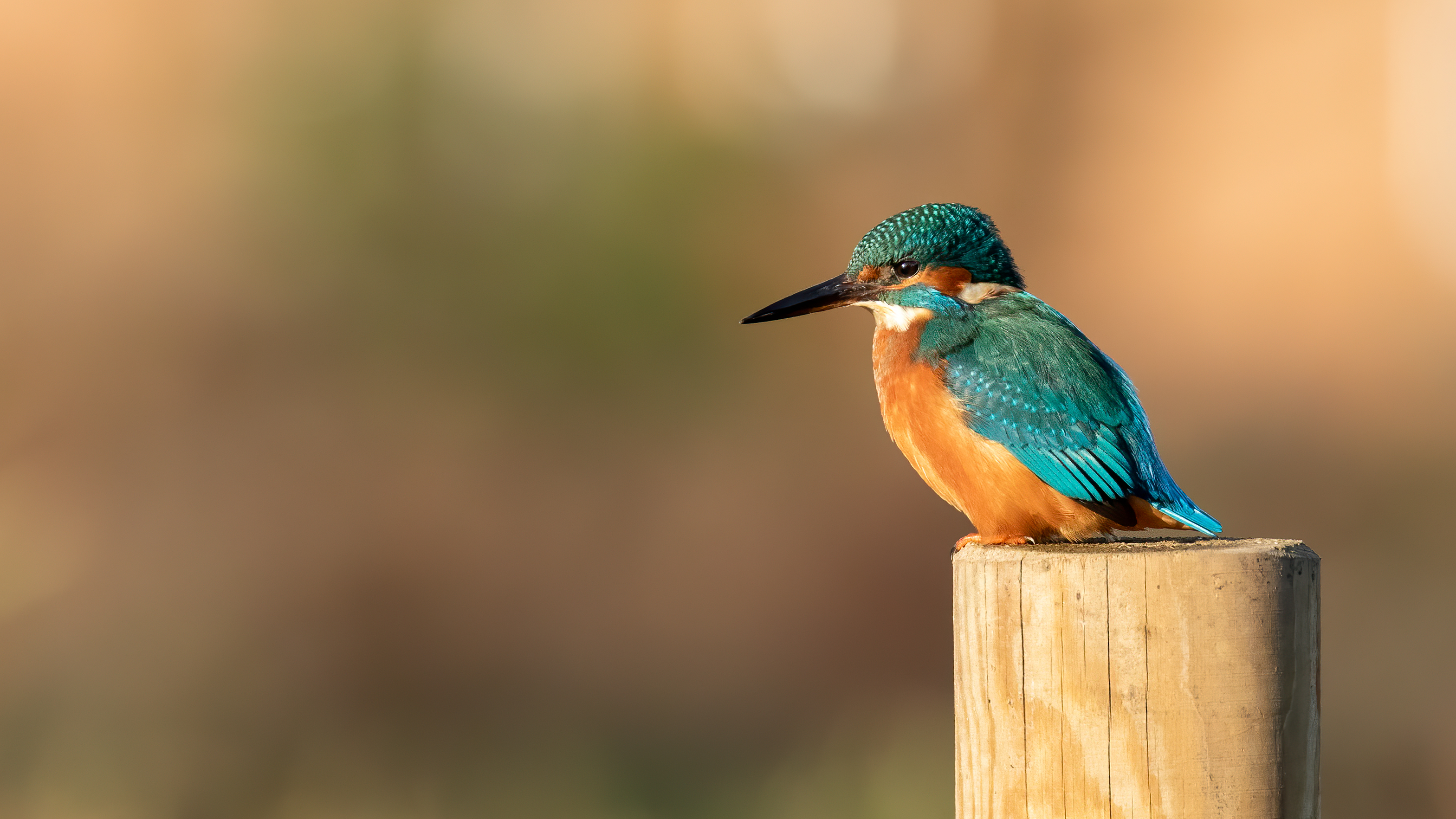
Spend enough time around popular British nature reserves and eventually you will encounter it: the photographer who has effectively annexed the hide. Camera, enormous lens, tripod, bag, perhaps even camouflage. Everything is arranged. The photographer is settled in for the long haul. Nobody else matters. This is particularly noticeable with kingfishers. A kingfisher is one of the holy grails of British wildlife photography. Everybody wants the shot: the bird perched perfectly on a branch, reflected in still water, perhaps launching itself into a dive with droplets suspended around it. And getting that shot takes patience. I don't object to patience. Quite the opposite. What I object to is the idea that patience somehow gives someone ownership. A photographer who has sat in a hide for four hours already may feel that they have earned the right to remain there. They got there first. They have invested their time. They are waiting for their shot. But the hide isn't theirs. Perhaps someone else has travelled fifty miles to see a kingfisher for the first time. Perhaps a child is standing waiting for their turn. Perhaps an elderly birder has been looking forward to this visit for months. Yet the photographer remains firmly planted in the prime position because moving might mean missing the shot. At some point, patience becomes entitlement. And entitlement is not conservation. I have seen this a lot recently, packed hides with queues, but the already ensconced hold firm despite multiple flat batteries and full memory cards. On one site last week the volunteer warden was told where he could shove his rules by one impolite tog when he was told there is a two hour limit when busy. We risk loosing these opportunities as organisations get fed up with bad attitudes. At least one trust has removed the things that were attracting the birds to a hide for this very kind of thing.
"But I'm here for the wildlife too"
This is where the argument often becomes circular. Photographers quite reasonably point out that they love wildlife. Of course they do in most cases. But loving something does not give us unlimited rights over it. I can love a woodland without trampling through it. I can love birds without approaching their nests. I can love an animal without manipulating it into a better photographic position. And I can certainly love wildlife without believing that my desire for a photograph is more important than somebody else's desire to watch it. The problem is not wildlife photography. The problem is photographer-first thinking. Once the photograph becomes the priority, everything else starts being judged according to whether it helps obtain the image. Is the light right? Is the bird in the right place? Is somebody or something blocking the view? Can I get closer? Can I make it stay there? Can I make it do something? Can I get the shot before somebody else does? The animal quietly disappears from the equation. It becomes a photographic opportunity.
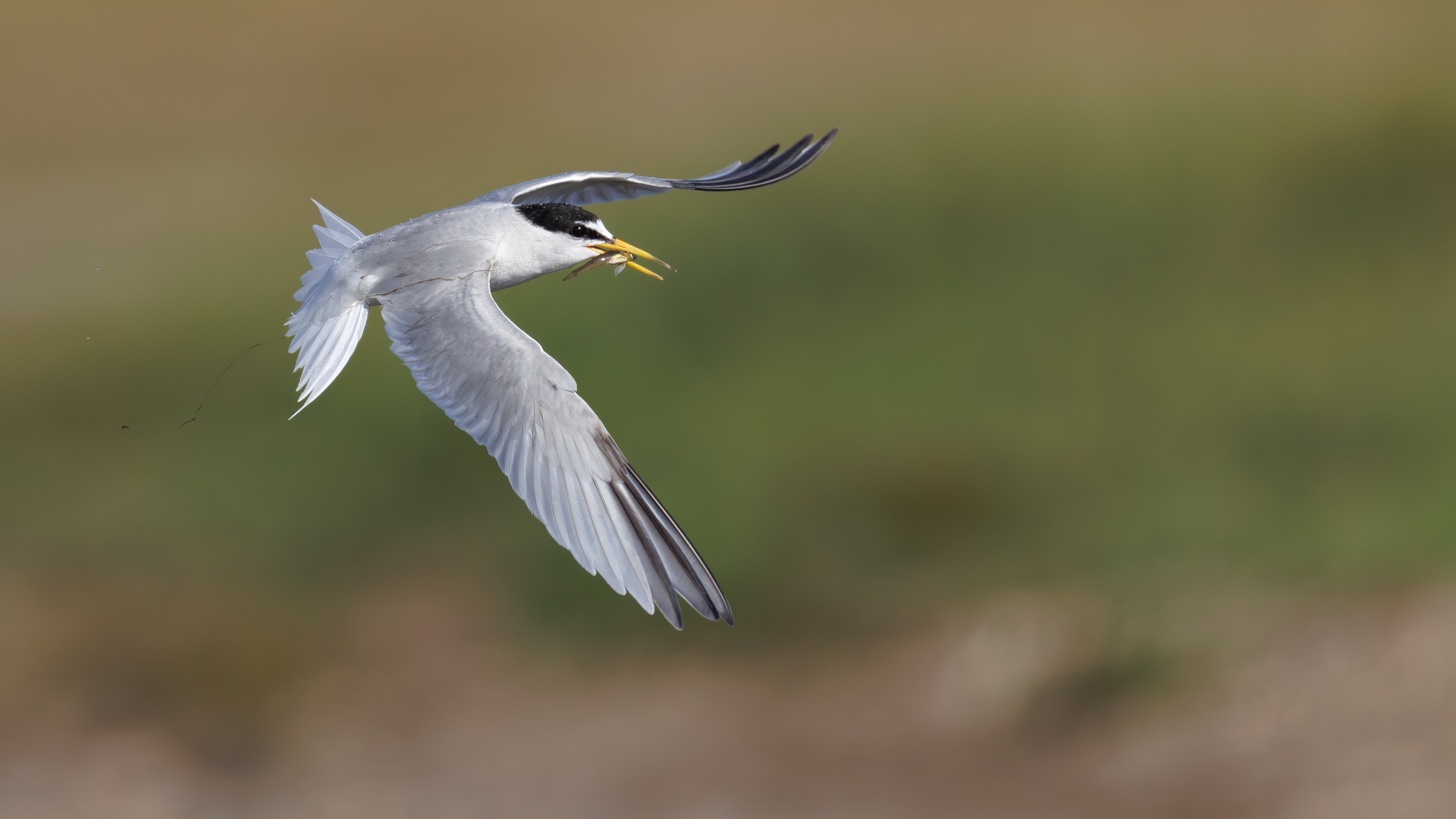
The strange war between birders and photographers
Perhaps the most ridiculous conflict in British wildlife culture is the hostility that can sometimes exist between birdwatchers and wildlife photographers. Think about it. They are both standing in the same field at six in the morning, freezing their love spuds off, staring at a bush. They both care about birds. They both want to see unusual species. They both travel ridiculous distances for something most people wouldn't notice. And yet they can behave as though they are opposing tribes. Photographers complain that birders don't understand the needs of photography. Birders complain that photographers monopolise locations and disturb birds. Both sides have legitimate grievances. But there is a fundamental difference that is sometimes overlooked. A birder can walk away having seen something. A photographer can feel that they have failed because they didn't capture it. And that distinction matters. The modern wildlife photographer is not merely observing nature. They are increasingly expected to produce something from the encounter. A sighting isn't enough. It has to become an image. And preferably an impressive one. I personally am guilty as charged. Birders should also think before they shout. They should think whether the photographer sat quietly with a redstart three feet away disturbed the bird, or in fact, the bird landed near them because they were sitting quietly.
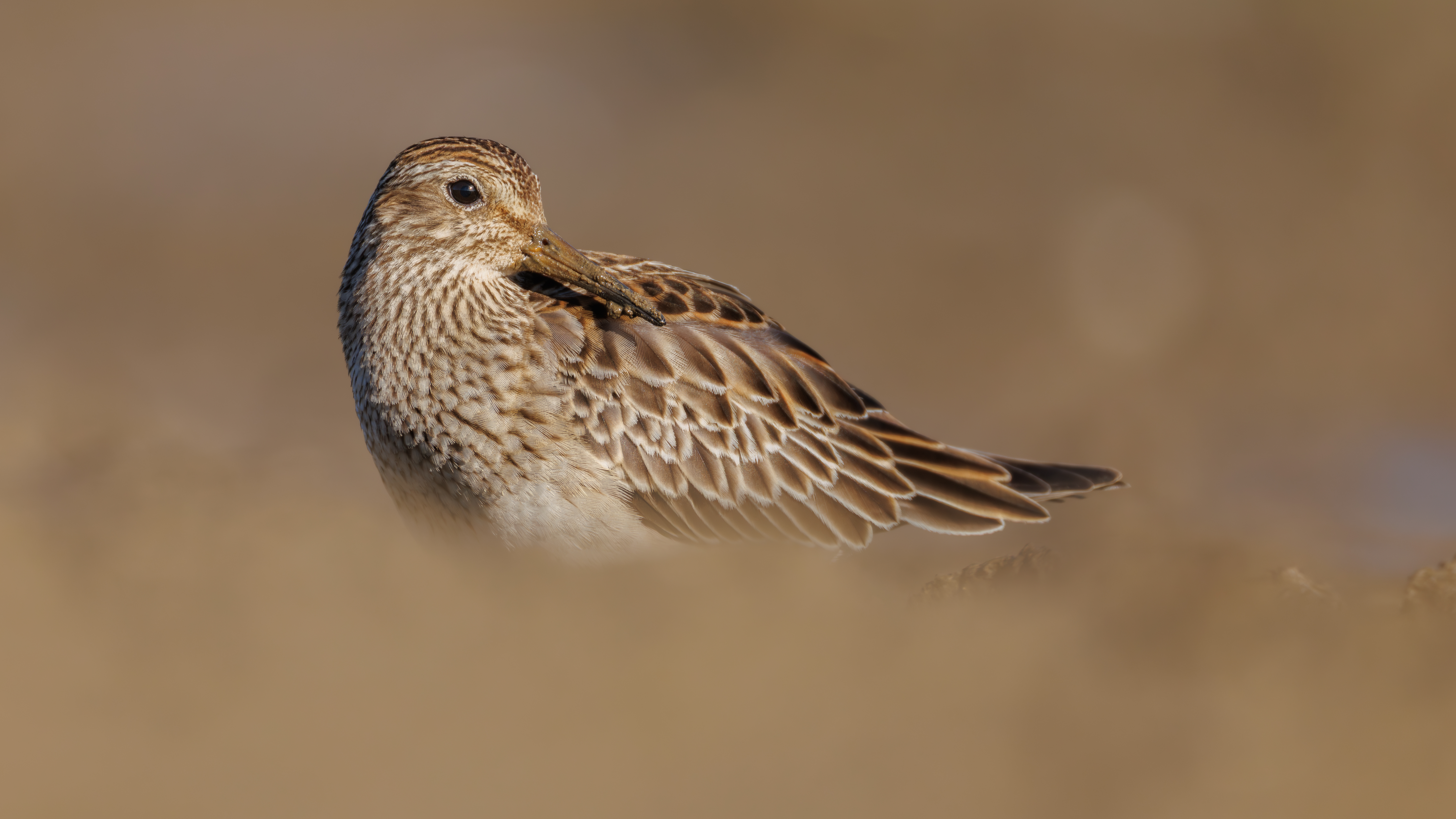
Welcome to the wildlife attention economy
Social media has changed wildlife photography. The photograph is no longer necessarily the souvenir of an enjoyable encounter. It can become a form of currency.
- Likes.
- Shares.
- Followers.
- Recognition.
- Competition.
- Sometimes even income.
That creates an incentive to produce increasingly unusual photographs. The ordinary becomes boring. The familiar becomes invisible. The dramatic becomes valuable. And suddenly the welfare of the animal is competing with the photographers desire to create content. This is where things can become genuinely uncomfortable. Because social media doesn't show us what happened before the shutter was pressed. We see the photograph. We don't see the process or disturbance. We don't see the handling. We don't see the repeated approaches. We don't see the animal being manipulated. We don't see the hours of stress that may have preceded one spectacular frame. We see a beautiful image and assume a beautiful story. There may not have been one.
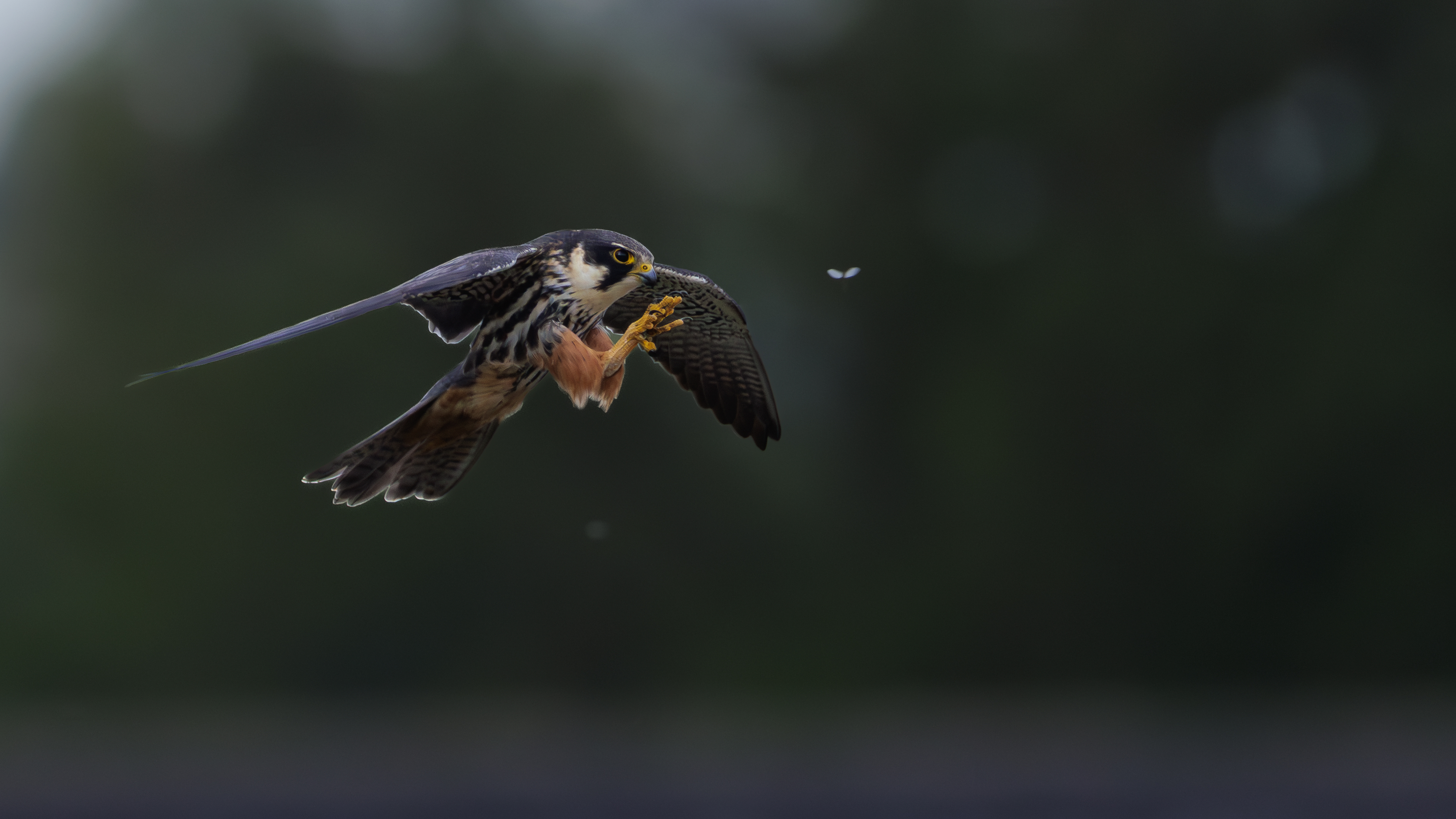
Legal doesn't mean ethical
This is probably the biggest misunderstanding in wildlife photography. People often seem to regard wildlife law as a list of things you are allowed to do. It isn't. It is a minimum legal boundary. And wildlife law is complicated. Different rules apply to different species, circumstances and parts of the UK. In England, for example, certain birds receive additional protection under the Wildlife and Countryside Act,*1 including protection against disturbance at or near nests. Kingfishers are among the species listed under Schedule 1. Natural England's guidance also makes an important distinction between taking photographs and disturbing protected wildlife while doing so. Photography may be permissible, it usually is, but where photography involves disturbance, licensing requirements can arise. The advice is explicitly based around avoiding disturbance wherever possible. That should be fairly obvious. Yet there is a persistent attitude that seems to go: "It's not illegal, therefore it's fine."*2 No. That is not ethics. That is compliance. And compliance is a remarkably low moral bar.
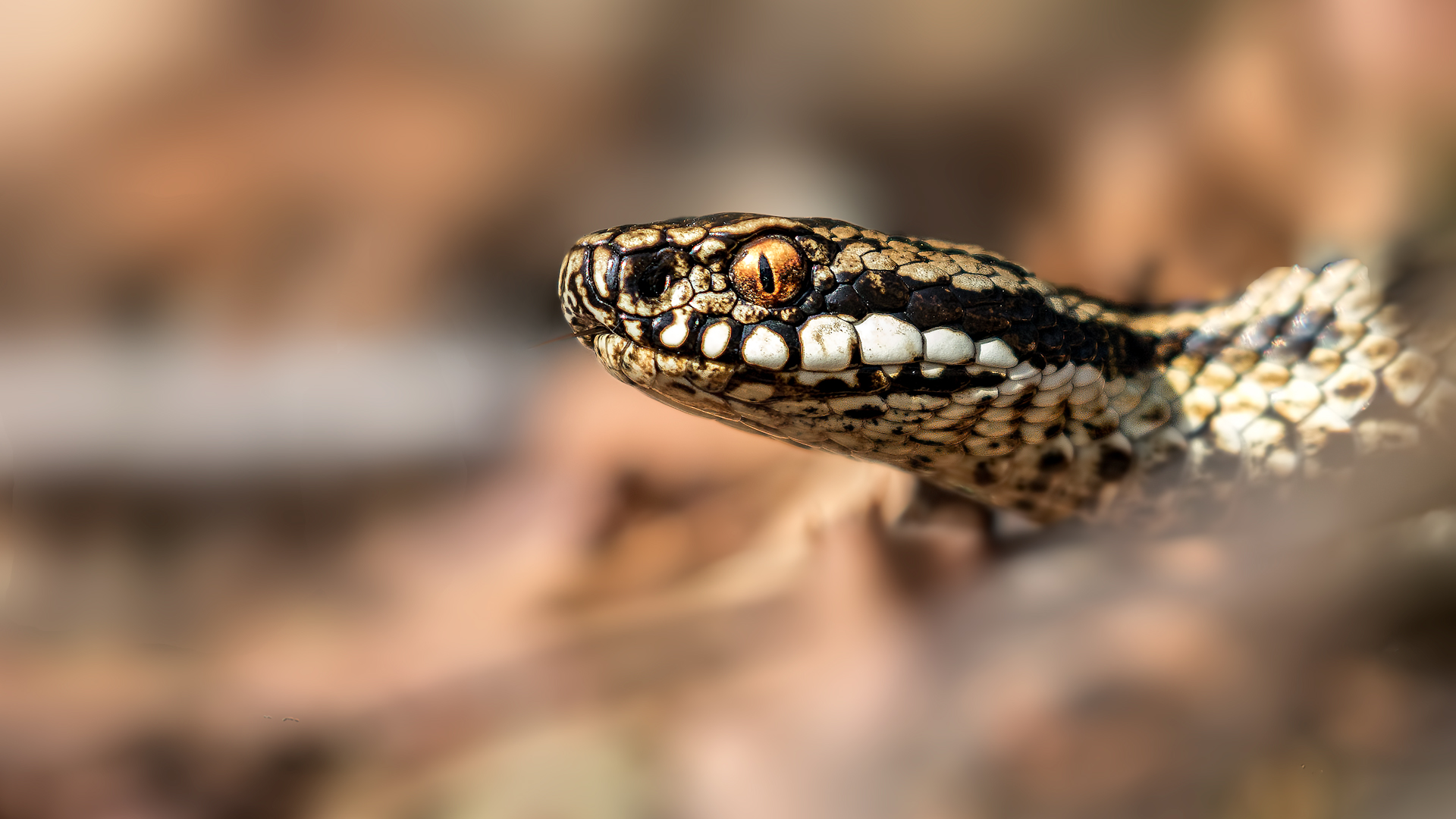
The adder problem
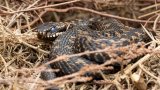
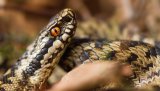
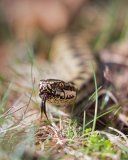
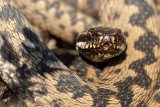
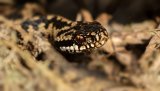
Let's take something else I've personally witnessed: an adder being positioned for a photograph. There is a world of difference between finding an adder basking in the place it has chosen and photographing it there, and deciding that the photograph would be better if the snake were moved, posed. The resulting photograph may be spectacular. It may also be completely artificial. The photographer gets the benefit. The snake gets absolutely nothing. And this is where I struggle with some of the arguments surrounding wildlife photography. "It wasn't harmed" Maybe. But why does physical injury have to be the only measure? If I pick up a wild animal, move it somewhere more photogenic, photograph it and put it back, I have still made the encounter about what I wanted rather than what the animal was doing. The fact that the animal survived does not magically transform manipulation into respect.
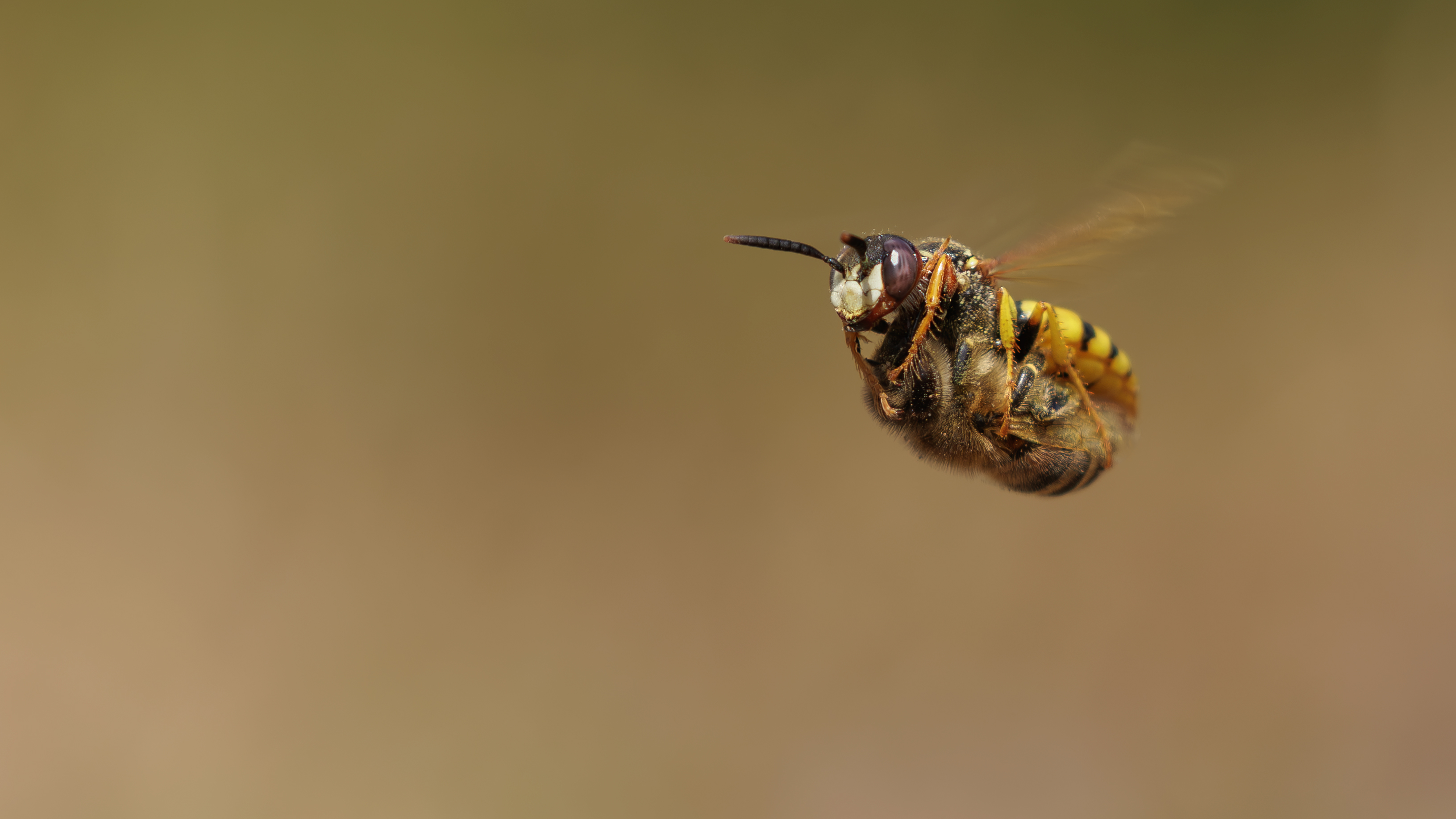
And then there are the insects
The insect world presents an even more uncomfortable ethical question. There are legitimate reasons for collecting and killing insects. Scientific research, taxonomy and properly conducted studies can require specimens. Scientific collection is not morally equivalent to killing an animal simply because somebody wants a pretty photograph. But killing an insect because it produces a better image for social media? That is a different proposition. If the justification is essentially: "It's only an insect," then we should at least have the honesty to admit what that argument means. It means we have decided that the size or perceived importance of a creature determines the value of its life. That may be a defensible ethical position. But it isn't a scientific fact. And it certainly isn't conservation. Again, I have witnessed people taking rare butterflies and other insects then freezing them in position with hairspray and fake water droplets just for a shot.*3
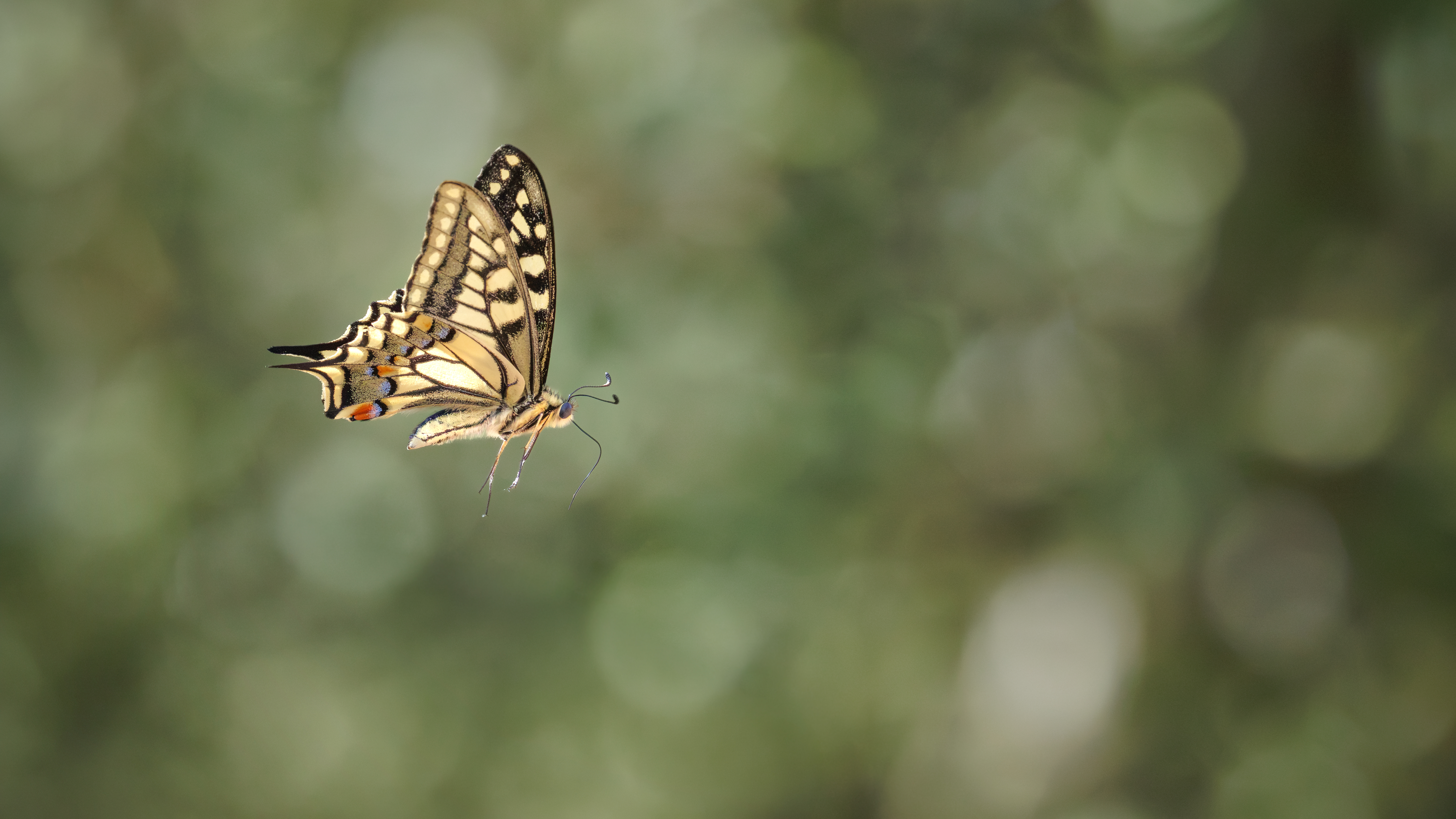
I am vegan, and a photographer.
So yes, I have a bias. I don't want to pretend otherwise. I am vegan, and that inevitably influences how I think about deliberately harming animals. Some readers will therefore dismiss everything I've written as the predictable opinion of somebody with an animal-rights perspective. That's their choice. But being transparent about a moral position is preferable to pretending to be completely objective when discussing ethics. The fact that I am vegan does not mean every photographer is cruel, and remember I am a photographer too. It doesn't mean every insect should never be collected. It doesn't mean photography is inherently harmful. And it certainly doesn't mean wildlife photography has no value. Quite the opposite IMHO. Photography can be enormously powerful. A photograph can make people care about a species they have never previously noticed. It can document behaviour, contribute to conservation campaigns and bring the natural world into people's homes inspiring and exciting the next generation of naturalists. Some, in fact most, wildlife photographers are exceptionally respectful of their subjects. Some are also doing genuine conservation work. The problem is that a good outcome does not automatically justify bad behaviour.
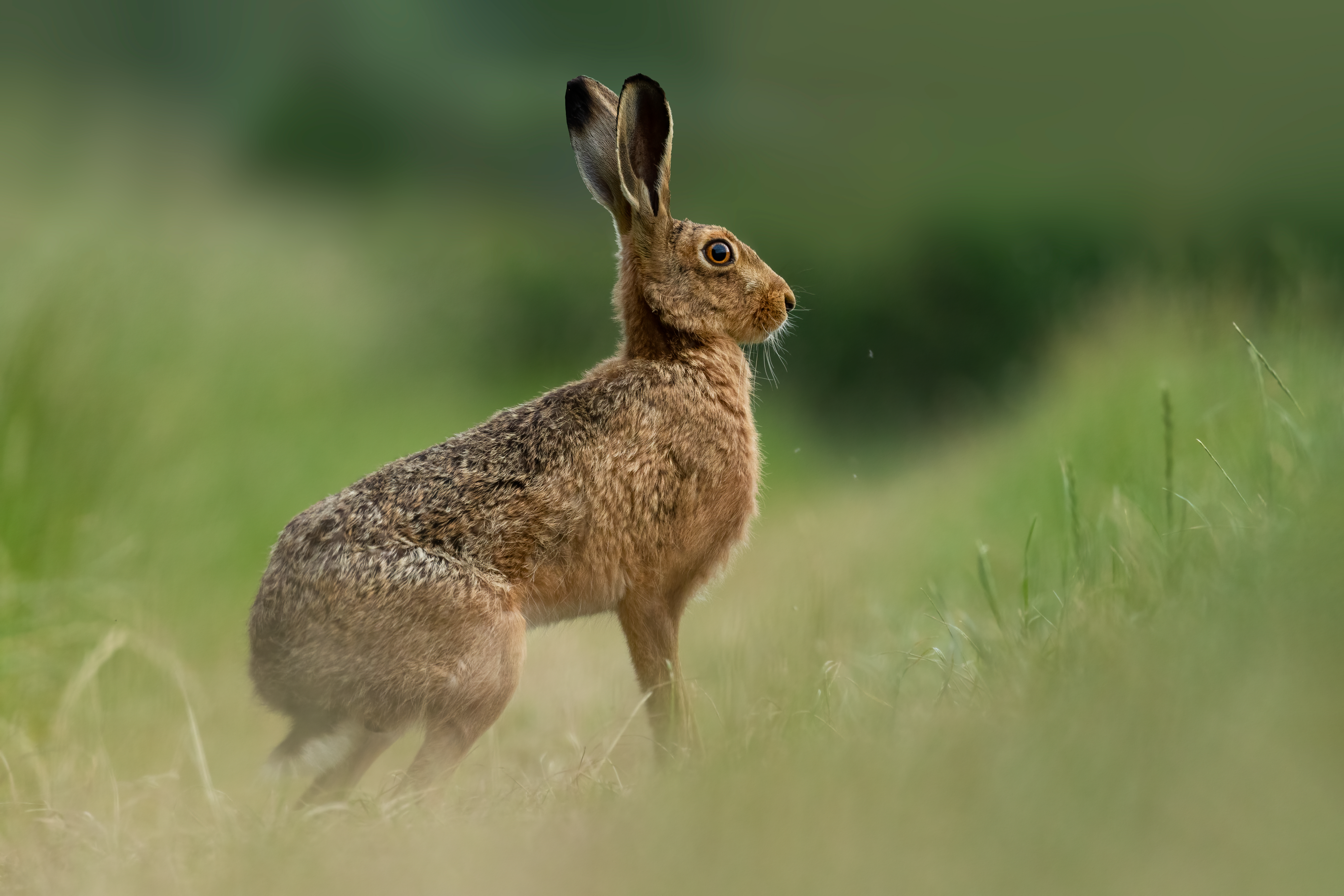
Would you do it without the camera?
Here's the test I keep coming back to. Would you still do it if you weren't carrying a camera? Would you move the adder if there were no photograph to take? Would you approach the nest if there were no image to capture? Would you disturb the insect if nobody was going to see the photograph? Would you hog the only kingfisher hide for six hours if there were no photograph at the end of it? Would you flush the bird from cover simply to get a flight shot? If the answer is no, perhaps the camera is not merely recording your interaction with nature. Perhaps it is changing your behaviour towards nature. And that should concern us.
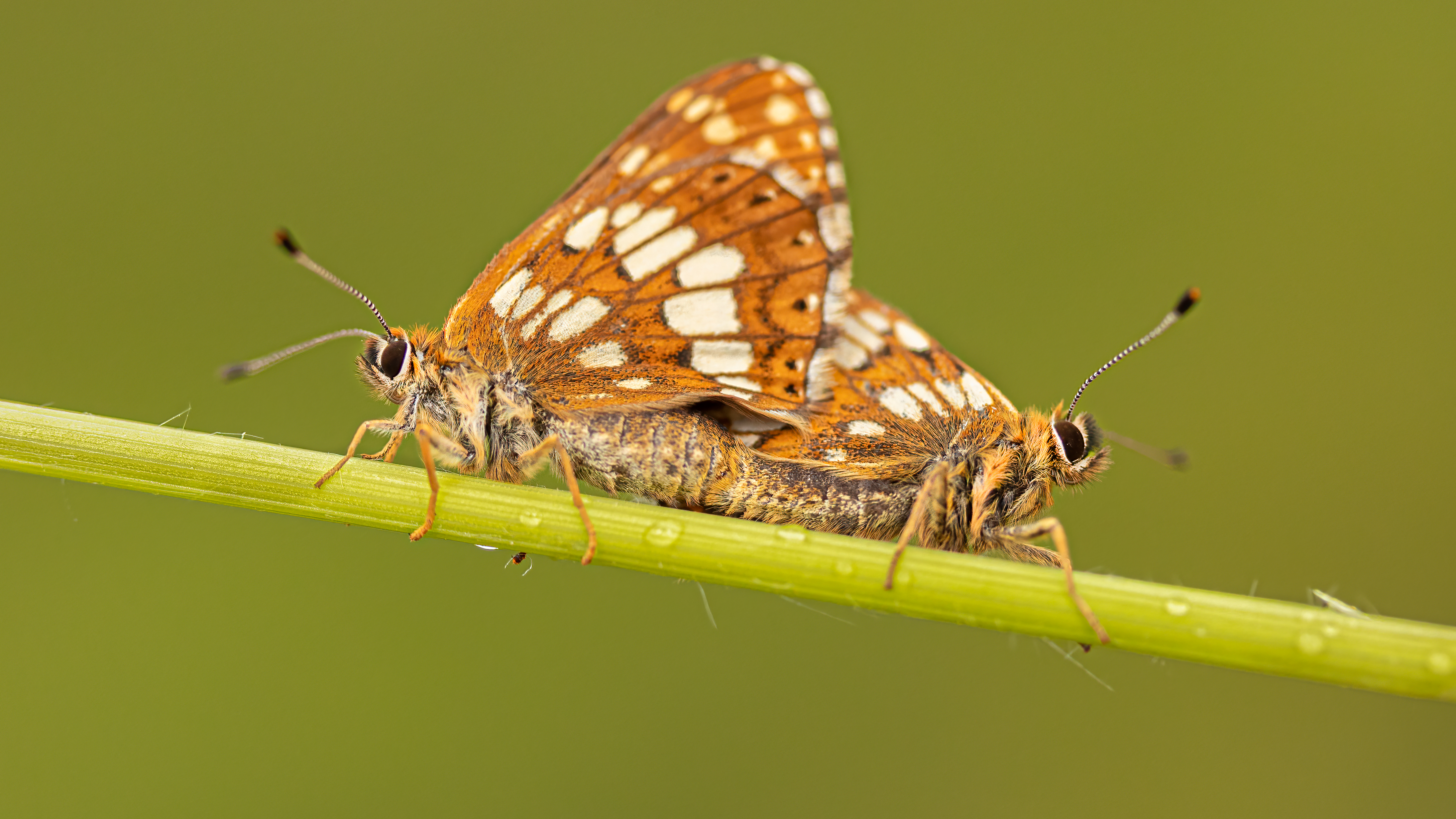
The photograph isn't yours to take at any cost
There is an increasingly uncomfortable contradiction within wildlife photography. Photographers frequently say that they want to show the world the beauty of nature. Fine. But if the pursuit of that beauty involves disturbing, manipulating, monopolising or killing wildlife, then perhaps we need to question what exactly we are celebrating. A photograph of a wild animal is not automatically a celebration of wildlife. Sometimes it is simply evidence of what a human being was willing to do to get a photograph. The most impressive image isn't necessarily the one with the rarest species, the cleanest background or the most spectacular behaviour. Sometimes the most ethical photograph is the one that required the photographer to do absolutely nothing. Wait. Watch. Accept that the animal chooses where to stand. Accept that the bird may fly away. Accept that the light may be terrible. Accept that somebody else deserves a turn. Accept that you might go home without the photograph you wanted. That isn't failure. That is respect.
Leave the wildlife wild
Perhaps us wildlife photographers need to rediscover a slightly old-fashioned idea: Wildlife doesn't exist for our entertainment. It doesn't exist for our portfolios. It doesn't exist for Instagram. It doesn't exist to win competitions. It doesn't exist to provide us with a photograph that will make somebody else envious. And it certainly doesn't exist to make us feel important. We are visitors. The hide isn't ours. The woodland isn't ours. The riverbank isn't ours. The animal certainly isn't ours. We are privileged to be there. And perhaps that is the attitude that should come before every photograph. Because there is a very simple distinction between a wildlife photographer who loves wildlife and a photographer who loves wildlife photography. The first puts the animal first. The second puts the photograph first. And when those two things come into conflict, the animal should win every time.
*1 Unless you have a legal background do not try to understand the act linked. It is very nuanced and wooly in places. When someone tells you you cannot do this or that, they are almost certainly incorrect with regards to wildlife photography, talking about a rare bird online or in fact almost anything with regards to the act. In particular, when said from someone from the shooting community.
*2 I did write this article just after an incident so I may have had my hackles up somewhat.
*3 I have seen this many times. Just two weeks ago I had a "heated discussion" about it with another photographer where I was also photographing the same butterfly species.